
Damavand Camp Guide for Trekking, Hiking & Ski Touring Adventures
Trekking and Acclimatization Camps on Mount Damavand – A Mountaineering Perspective
Trekking and acclimatization camps play a critical role in every successful climbing and mountaineering expedition on Mount Damavand. Due to the mountain’s high elevation, volcanic terrain, and rapid weather changes, climbers must rely on well-planned camping strategies to adapt gradually to altitude. Understanding how Damavand trekking camps function is essential for safety, performance, and summit success.

widely used by trekkers and climbers for rest,
acclimatization, and overnight stays during their ascent.
The Role of Trekking Camps in Mountaineering
In mountaineering, trekking camps serve as temporary operational bases where climbers rest, hydrate, organize equipment, and monitor physical condition. On Mount Damavand, these trekking camps are not luxury stops but practical tools that support staged ascents and controlled acclimatization.
Each trekking camp represents a balance between progress and recovery. Rushing through Damavand mountaineering camps without adequate rest increases the risk of exhaustion and altitude-related illness, even for experienced climbers.
Understanding Acclimatization on Mount Damavand
Acclimatization camps are designed to help the body adapt to reduced oxygen levels at higher altitudes. On Mount Damavand, effective acclimatization is achieved through gradual ascent, overnight stays at increasing elevations, and careful monitoring of symptoms.
Many climbers underestimate the importance of these camps. However, Damavand acclimatization camps often determine whether a climber reaches the summit safely or is forced to turn back.
🏕 Tent-Based Camps for Climbing Expeditions
Tent-based trekking camps are the standard accommodation method for mountaineering on Damavand. Fixed shelters are limited, and climbers rely on personal tents to create safe resting environments. Damavand tent camping allows flexibility in choosing elevations and adapting plans based on weather and physical condition.
Proper tent placement is especially important in high-altitude environments. Climbers should seek stable ground, minimize wind exposure, and ensure secure anchoring to withstand strong gusts commonly experienced at Damavand mountain camps.

offering suitable and commonly used places
for pitching tents during high-altitude ascents.
Camp Spacing and Altitude Strategy
Effective mountaineering on Mount Damavand depends on spacing trekking camps appropriately. Large elevation gains between camps increase stress on the body, while overly conservative spacing may reduce momentum.
Experienced climbers often follow the principle of “climb high, sleep low,” using trekking and
acclimatization camps to maximize adaptation while limiting fatigue. For more detailed information, please visit the Mount Damavand Base Camp main page:
https://www.damawand.de/How/Base.html
Weather Exposure at High-Altitude Camps
Weather conditions significantly affect the safety of Damavand trekking camps. Wind, temperature fluctuations, and sudden storms are common, even during the main climbing season. These factors shape how camps are selected and managed.
Mountaineers must be prepared for sub-zero nights, intense sunlight, and rapid changes in visibility. Proper weather assessment is a core mountaineering skill when operating at high-altitude camping bases.
Equipment Considerations for Mountaineering Camps
Equipment choices directly influence safety and performance at trekking camps. Lightweight but durable tents, high-quality sleeping systems, and reliable cooking equipment are essential components of Damavand mountaineering preparation.
Every item carried to these camps should serve a clear purpose. Efficient packing reduces fatigue during ascent and improves overall expedition efficiency.
Safety Management at Trekking and Acclimatization Camps
Safety at trekking camps on Mount Damavand depends on constant assessment of physical condition and environmental factors. Climbers should watch for signs of altitude sickness, dehydration, and overexertion.
- Ascend gradually and respect acclimatization schedules.
- Maintain hydration and calorie intake.
- Monitor weather and wind conditions.
- Secure tents and equipment before resting.
- Be prepared to descend if conditions worsen.
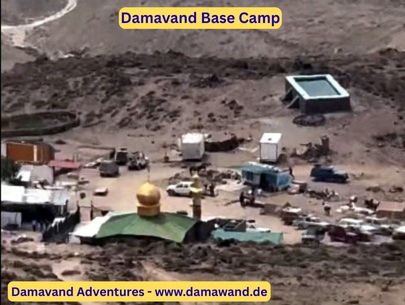
showing shelters, the Saheb al-Zaman Mosque,
the livestock area, and other key facilities of the base camp.
The Psychological Role of Camps in Mountaineering
Beyond physical recovery, trekking camps provide psychological benefits. Rest periods allow climbers to regroup, evaluate progress, and maintain morale. In challenging environments like Mount Damavand, mental resilience is as important as physical strength.
Well-managed Damavand trekking and acclimatization camps support focus, confidence, and decision-making during summit attempts.
Mount Damavand Outdoor Camp Images
This gallery presents a visual overview of high-altitude camps through carefully selected Damavand trekking camp pictures taken along popular climbing routes. The collection includes authentic Mount Damavand outdoor camp photos that capture expedition life, tents, and surrounding volcanic landscapes. You will also find detailed Damavand expedition camp images showing the interaction between climbers and the environment, along with wide-angle views of the Alborz mountains camp photos Damavand region. To complete the experience, the selection features striking Damavand volcano camp photography, emphasizing the unique terrain and natural character of this iconic mountain.
Who Benefits Most from Acclimatization Camps?
Damavand Acclimatization camps are essential for all climbers, regardless of experience. While seasoned mountaineers may adapt faster, no one is immune to altitude effects. International climbers, in particular, benefit from structured acclimatization due to unfamiliar environmental conditions.
Using trekking camps strategically allows climbers to maximize their chances of a safe and successful ascent on Mount Damavand.

where porters and mules transport extra mountaineering gear
from lower camps to higher camps to support climbers.
Trekking Camps as the Backbone of Mountaineering Success
Trekking and acclimatization camps form the backbone of every mountaineering expedition on Mount Damavand. These camps support gradual adaptation, safe rest, and effective decision-making throughout the climb.
By respecting altitude, managing camps wisely, and using tents effectively, climbers can transform Mount Damavand climbing into a disciplined and rewarding mountaineering experience.
Damavand Camp Guide 25DCG1227A